What Does a High Potassium Mean?
A doctor explains what a high potassium result means, why a sample problem is the commonest cause of a false high, and when the level becomes an emergency.

See a doctor promptly if
- A confirmed potassium above about 6.0 mmol/L, which needs same-day medical assessment
- High potassium with palpitations, a slow or irregular pulse, chest pain or feeling faint, which needs emergency care
- High potassium with muscle weakness, above all if it is spreading or getting worse
- High potassium in someone with known kidney disease or on dialysis
What your potassium result means
| Result | In short | What it means |
|---|---|---|
| Under 3.0 mmol/L | Markedly low | Low enough to affect the heart rhythm. This is treated, not watched, and the cause is looked for at the same time. |
| 3.0 to 3.4 mmol/L | Low | Below range. Diuretics, vomiting and diarrhoea are the common reasons, and it is usually corrected easily once the cause is clear. |
| 3.5 to 5.0 mmol/L | Normal | Yes, mid-range and unremarkable. |
| 5.1 to 5.5 mmol/L | Mildly high | The commonest cause of a result here is the sample itself: a tight tourniquet, a clenched fist or a delay before the blood reached the machine. A repeat is the usual next step. |
| 5.6 to 6.4 mmol/L | Clearly high | Real until proven otherwise. This is a same-day conversation, and kidney function and medicines are the first two things looked at. |
| 6.5 mmol/L or above | Emergency | Yes. At this level the heart rhythm is at risk and it needs emergency assessment now, not an appointment. |
One result is a snapshot. Ranges differ a little between labs, and what a number means depends on the rest of you. Check it against the guidelines.
The short version
- Potassium runs the electrical signaling of nerves, muscle and above all the heart. So a very high level matters even when you feel completely well.
- Normal is about 3.5 to 5.0 mmol/L (the same as mEq/L). The commonest reason for a high reading is a sample problem, where red cells burst during collection. That is not real illness.
- When it is real, the usual causes are reduced kidney function and medicines. The main ones are ACE inhibitors, ARBs, spironolactone and potassium supplements.
Try the result lookupone number, free, nothing to installType the number you are holding and it lands in a band, with what usually happens next.
Potassium runs the electrical activity of nerve and muscle, including heart muscle. So the body keeps it in a narrow band. A high potassium is called hyperkalemia. It matters because a very high level can upset heart rhythm, sometimes before you feel anything at all.
Just as important: most high potassium results come from a problem with the blood sample, not with the person.
Normal is roughly 3.5 to 5.0 mmol/L. For potassium, mmol/L and mEq/L are the same numbers.
Your potassium number, band by band#
| Potassium | Band | What it usually means | What usually happens next |
|---|---|---|---|
| 3.5 to 5.0 mmol/L (3.5 to 5.0 mEq/L) | Normal | In the usual range | Nothing needed for potassium alone |
| 5.1 to 5.5 mmol/L (5.1 to 5.5 mEq/L) | Mild | Often a sample problem | Repeat sample and a medicine review |
| 5.6 to 5.9 mmol/L (5.6 to 5.9 mEq/L) | Moderate | Real cause more likely | Assessed within days |
| 6.0 mmol/L and above (6.0 mEq/L and above) | Significant | Can affect heart rhythm | Same-day assessment, and usually an ECG |
A first high reading in a well person with normal kidneys is usually repeated before anything is done.
First, is it real?#
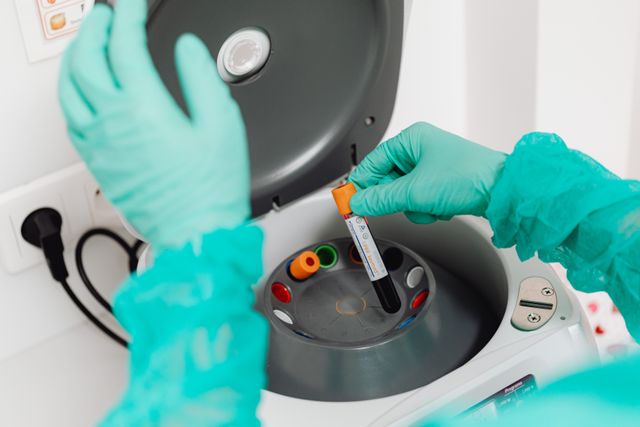
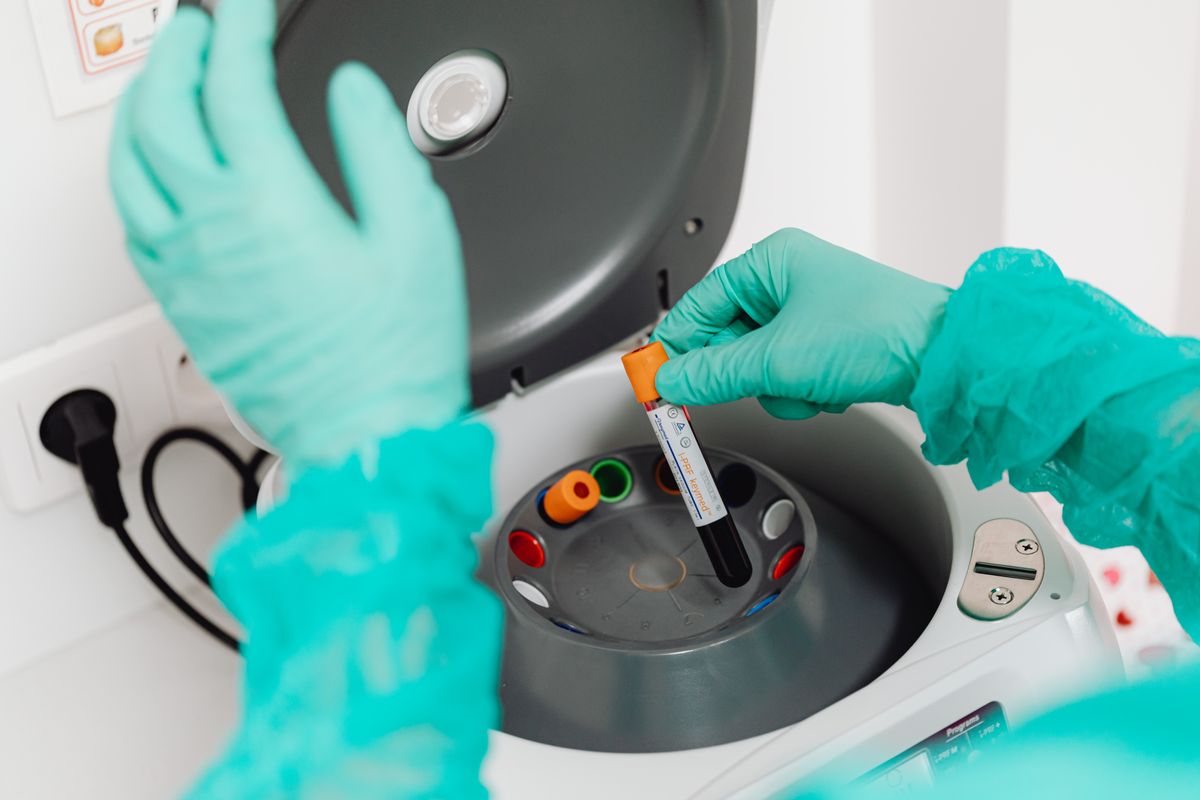
Red blood cells hold far more potassium than the plasma around them. If they burst between the needle and the analyzer, potassium leaks out and the result reads too high. This happens with a difficult draw, a very fine needle, or a tourniquet left on too long. It also happens with fist clenching, or with a delay before the sample reaches the lab.
Many labs flag this as a hemolyzed sample. Very high white cell or platelet counts can also release potassium after the tube is drawn.
What the level means for you#
Symptoms are unreliable. Muscle weakness, tingling and palpitations can happen. But many people with a potassium of 6.2 feel entirely normal. This is one of the few results where the number is more trustworthy than how you feel.
The real causes#
Reduced kidney function is the biggest one, because the kidneys are the main way potassium leaves the body. Medicines come a close second. The main ones are ACE inhibitors, ARBs, spironolactone, potassium supplements and potassium based salt substitutes. Several of these are prescribed together in heart failure. That is why potassium is watched closely in those patients.
Other causes include poorly controlled diabetes, adrenal insufficiency and dehydration. Anything that breaks down tissue fast can do it too, such as a crush injury, severe burns or extreme exertion.
What happens next#
Expect four things:
- A repeat sample, taken carefully
- Kidney function tests and glucose
- A review of every medicine and supplement you take, including anything bought over the counter
- An ECG, when the level is clearly raised
The ECG matters because the effect on the heart's electrical tracing guides urgency more than the number alone.
Treatment then depends on the cause. It may mean correcting dehydration, changing or spacing medicines, or treating diabetes better. Where kidney function is reduced, it means diet advice from a renal dietitian. Hospital treatment exists for high levels and works quickly.
Reading the panel as a whole#
Potassium is read together with sodium, urea, creatinine and eGFR on the same panel. Those numbers usually explain each other. The wider guide to understanding your blood test results walks through how that group is read.
Should this go to a doctor?
Three honest answers, a plain answer back.
On more than two daily medicines
A weekly organizer prevents the double-dose and missed-dose mistakes every doctor sees. The simplest ones work best, filled once a week at the same time.
Buying through this link supports the free library with a small commission. It never changes a pick.
Have your own result?
Send the report. A doctor explains every value in writing within 3 days.
Look up another result
A result is rarely the only one on the page. Each of these gives the bands, in both unit systems, and what happens next.
- How long it usually lasts, by cause5 bands
- How to tell how dehydrated you are5 bands
- Is this a fever?8 bands
- LDL result5 bands
- MCV number3 bands
- Median grip strength after 50, by age and sex8 bands
- Morning readings, and what to do with them6 bands
- Platelet count6 bands
- Prolactin result6 bands
- PSA result7 bands
- Reading after a meal5 bands
- Resting heart rate7 bands
- Sodium result6 bands
- Taking them together, safely6 bands
Common questions
Why do labs ask to repeat a high potassium?
Which medicines raise potassium?
Can diet alone cause high potassium?
People also ask
Not what you were looking for?
Say what you came for and we will take you there.