Why Does My Doctor Want to Repeat the Blood Test?
A repeat test is usually reassuring. Results move day to day, and one odd number is often noise. What a recheck tells you, and when it should not wait.

See a doctor promptly if
- You were asked to repeat a test urgently or the same day. Treat that as a real instruction and do not defer it
- New symptoms appear while you are waiting for the recheck, such as breathlessness, yellowing of the eyes, swelling, fever or reduced urine output
- You never received the result of a repeat test. Chase it, because normal results are the ones most often left unfiled
The short version
- A repeat usually means the result was mildly or unexpectedly abnormal. It does not mean something serious was found. Serious findings bring a phone call and a plan, not a routine recheck.
- Many values swing with hydration, recent illness, exercise, alcohol, the time of day and how the sample was handled. So a single reading is a snapshot, not a verdict.
- The interval matters. HbA1c is repeated after about three months. Liver enzymes after four to twelve weeks. Thyroid after six to twelve weeks. A low potassium or high calcium within days.
Try the result lookupone number, free, nothing to installType the number you are holding and it lands in a band, with what usually happens next.
A repeat test almost always means the opposite of what people fear. It signals a result that sat slightly outside the range, or moved unexpectedly, and the doctor wants to know whether it is a real trend before acting on it, because really worrying results are not handled with a routine recheck in six weeks. They are handled with a phone call, a same-week appointment or a referral.
Put simply, a recheck is the system slowing down so it does not treat a number that was never real.
Blood values move, all the time#
Every measurement has two kinds of wobble. Biological variation is the body itself: potassium, liver enzymes, white cells and cortisol all shift with the time of day, a heavy meal, a hard gym session, a virus you barely noticed, alcohol two nights ago, or simply being dehydrated on a hot morning. Analytical variation is the laboratory: no analyzer gives the identical figure twice.
Add to this how reference ranges are built. A range is set to include the middle 95% of a healthy reference population, so roughly one in twenty perfectly well people will fall outside it on any given test. Run twenty tests on a healthy person and the odds of at least one red flag are close to a coin toss.
What was probably going on with the sample#
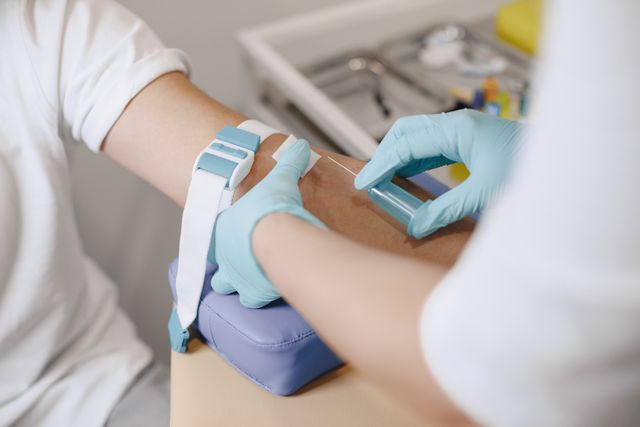
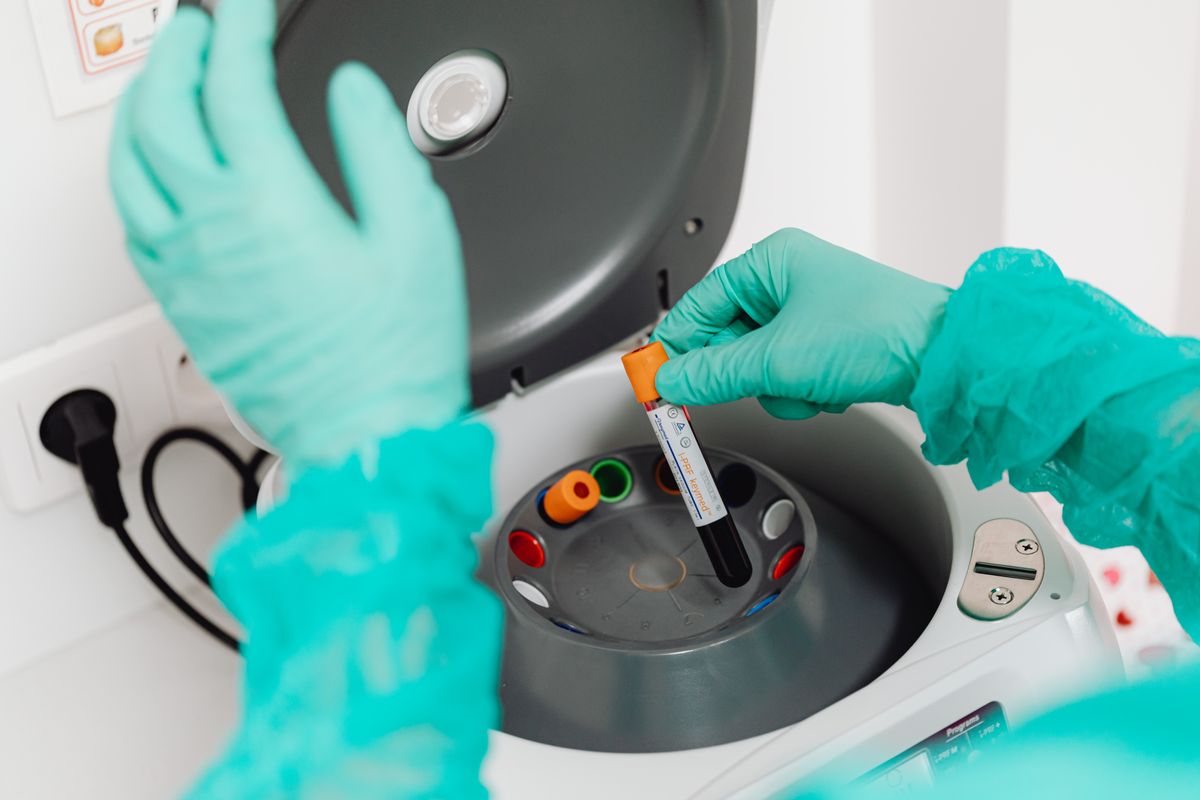
Before biology, there is plumbing. A sample that clots, gets shaken, sits in a warm car, or is drawn from an arm with a drip running can produce a falsely high potassium, an odd full blood count, or a hemolyzed result the laboratory cannot read. Clenching the fist repeatedly during the draw can lift potassium on its own. None of this is anyone's fault. It is a known cost of doing millions of tests.
The intervals, and why they differ#
| Test | Typical recheck | Reason |
|---|---|---|
| HbA1c | About 3 months | Reflects red cell lifespan |
| Thyroid function | 6 to 12 weeks | Slow feedback loop |
| Liver enzymes | 4 to 12 weeks | Mild rises often settle |
| Ferritin, iron studies | 8 to 12 weeks | Stores move slowly |
| Potassium, sodium, calcium | Days | Can change fast, and matter fast |
What is reasonable to ask#
Three questions make the recheck useful rather than anxious: which specific number are we watching, what would make you act on it, and what should I avoid before the sample. A doctor should be able to answer all three in under a minute. It is also fair to ask whether the repeat can be done at the same laboratory, because ranges and methods differ between labs and comparing across them adds noise.
While you wait, resist the urge to buy a private panel to fill the gap. Extra tests generate extra marginal abnormalities, and the anxiety compounds faster than the information.
Where this fits#
Most repeat tests come back normal, and the ones that do not usually shift the picture only slightly. Learning to read the whole report, what each line measures, and which numbers actually change what a doctor does, takes most of the fear out of the process, and the fuller guide to blood test results is written for exactly that.
Should this go to a doctor?
Three honest answers, a plain answer back.
On more than two daily medicines
A weekly organizer prevents the double-dose and missed-dose mistakes every doctor sees. The simplest ones work best, filled once a week at the same time.
Buying through this link supports the free library with a small commission. It never changes a pick.
Have your own result?
Send the report. A doctor explains every value in writing within 3 days.
Common questions
Does a repeat mean the laboratory made a mistake?
How long should I wait before repeating it?
Should I change anything before the repeat?
People also ask
Not what you were looking for?
Say what you came for and we will take you there.