Can Supplements Damage Your Liver? Yes: Here Is the List
A doctor explains supplement liver injury: which products cause most cases, the early warning signs, how doctors catch it, and how to buy safely.

See a doctor promptly if
- Yellowing of the eyes or skin, dark urine, or pale stools while taking any supplement
- New deep fatigue, nausea or loss of appetite that lasts more than a few days on a new product
- Persistent ache or tenderness under the right ribs, with or without itching all over
- Confusion, drowsiness or easy bruising with any of the above. Seek emergency care
- Vomiting blood, or black tarry stools, in anyone with known liver problems. Emergency
- Any supplement sold for rapid fat loss or fast muscle gain with a proprietary blend on the label
The short version
- Supplements now cause about one in five drug induced liver injury cases in medical registries.
- A short list causes most of them. Muscle blends, fat burners, high dose green tea extract, kava, and megadose vitamin A or niacin.
- Standard doses of single vitamins, creatine, fish oil and vitamin D are not on that list.
- Dark urine, yellow eyes or new deep fatigue while taking a supplement means stop it and see a doctor.
See what your week actually contains2 min, free, nothing to installA supplement only adds something where there is a gap. Two minutes of what you already eat shows whether there is one.

The supplement aisle sells itself as the gentle alternative to medicine. The liver does not see it that way. In registries of drug induced liver injury, dietary supplements now account for roughly one case in five, several times the share reported twenty years ago. The risk is real, it is concentrated in a short list of products, and it is almost entirely avoidable.
How supplements injure the liver#
The liver processes almost everything you swallow. That job puts it first in line for damage, and supplements cause it in four ways.
Direct, dose related toxicity. Some substances harm liver cells predictably once the dose is high enough. Vitamin A and niacin work this way. Anyone taking enough will be affected, which makes this type preventable.
Idiosyncratic reactions. These are unpredictable. A person takes an ordinary dose, and weeks to months later their immune system attacks liver cells that have been chemically altered by the product. Genetics play a part. A particular immune gene variant, HLA-B*35:01, is over represented in people who develop injury from green tea extract and from certain herbal roots.
Contamination and adulteration. What is in the bottle is often not what is on the label. Muscle building products are repeatedly found to contain undeclared anabolic steroids. Weight loss products have been found containing withdrawn prescription drugs. Plant products are sometimes the wrong species entirely.
Concentration. An extract is not the plant. A capsule can deliver in one dose what would take dozens of cups of tea or a kitchen full of root. Traditional use of a plant says nothing about the safety of a concentrated extract of it.
Add to these the load problem. The liver takes every hit at once. Several products plus regular alcohol plus heavy acetaminophen use is a different situation from any one alone.
The short list that causes most cases#
| Category | Typical products | What is known |
|---|---|---|
| Bodybuilding and muscle blends | Mass gainers, prohormones, testosterone boosters, SARM products | Lead the registries. Frequently spiked with undeclared anabolic steroids. Often cause a prolonged jaundice with severe itching |
| Weight loss and fat burners | Multi ingredient thermogenics, appetite blends, detox capsules | Second most common. Proprietary blends mean nobody can say the dose of anything |
| Green tea extract | High dose EGCG capsules, often inside fat burners | Cases cluster around 800 mg of EGCG a day or more, especially on an empty stomach. Brewed tea is not implicated |
| Kava | Relaxation and sleep capsules | Long documented record of serious injury. Restricted or withdrawn in several places |
| Turmeric with black pepper extract | High dose curcumin capsules with piperine | A steady stream of recent case reports. Piperine sharply increases absorption. Turmeric as a spice is not the issue |
| Vitamin A megadoses | Single high dose vitamin A, some skin and hair products | Dose related. Chronic intake above about 10,000 IU (3,000 mcg) a day is the usual threshold |
| Niacin at high dose | Cholesterol and flush free niacin products | Dose related. Reports cluster at 1,000 mg a day and above, especially sustained release forms |
| Other botanicals | Comfrey, chaparral, black cohosh, garcinia, ashwagandha | Each has case reports. Ashwagandha reports have risen with its popularity |
What is not on the list matters as much. Standard doses of creatine, vitamin D, fish oil, magnesium, protein powder and ordinary multivitamins do not appear in the registries as meaningful causes.
Why "natural" is not a safety claim#
Natural is a marketing word, not a pharmacological one. Some of the most destructive liver toxins known come from plants and mushrooms. A plant makes its chemistry to defend itself, not to suit human livers.
Three gaps matter for buyers. Supplements in most places do not have to prove safety or benefit before going on sale. Problems are found after people are harmed, not before.
Dose is rarely standardized. Two bottles of the same herb from different companies can differ several fold in active content, and batches can differ too.
And "used for centuries" describes a plant, not a product. Centuries of use involved a food or a brew, not a purified extract taken twice daily for a year.
The interaction problem#
Liver injury is only half the story. Supplements also change how the liver handles prescription medicines, and this causes more harm overall than direct toxicity.
The clearest example is St John's wort. It speeds up the enzyme system that clears many drugs, which lowers their blood levels. That can weaken blood thinners, transplant medicines, some heart rhythm drugs, hormonal contraception and some HIV treatments. The medicine looks the same and stops working.
Other patterns are worth knowing. Ginkgo, high dose fish oil, garlic concentrates and turmeric can add to the bleeding risk of blood thinners. Grapefruit products push the other way and raise levels of some drugs.
Never stop or change a prescription medicine because of something you read here. The right move is to bring the whole list, including supplements, protein powders and anything bought online, to your own doctor or pharmacist.
What liver trouble feels like#
Supplement liver injury usually begins one to six months after starting a product, which is why the bottle is rarely the first suspect.
The early phase is quiet and easy to blame on a busy month. Unusual tiredness, poor appetite, mild nausea, a dull ache under the right ribs.
The later phase is unmistakable. Dark urine, the color of strong tea. Pale or clay colored stools. Itching all over, often worst at night. Yellowing of the whites of the eyes, then the skin. Some people get fever and a rash alongside, which suggests an immune reaction.
Warning signs of severe injury are confusion, drowsiness, easy bruising or bleeding, and swelling of the abdomen. Those need emergency care the same day.
What a doctor checks#
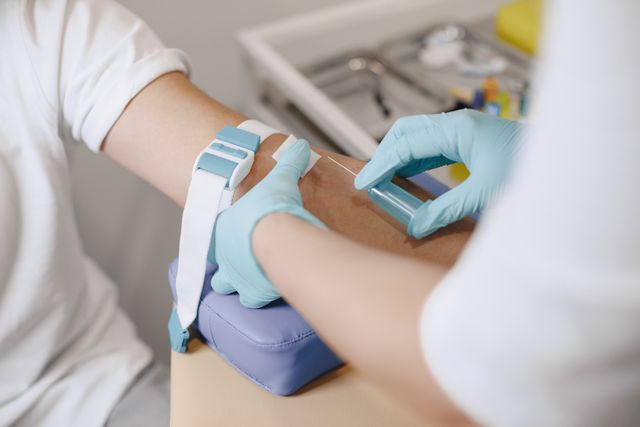
The first job is to confirm liver injury. The second is to rule out commoner causes. The third is to judge severity.
| Test | What it shows |
|---|---|
| ALT and AST | Damage to liver cells. Often the first abnormal result. Our guide to ALT and AST explains the numbers |
| ALP and GGT | Problems with bile flow rather than liver cells |
| Bilirubin | How well bile is being cleared. Rising bilirubin with high ALT is a marker of more serious injury |
| Albumin and INR | How well the liver is still doing its manufacturing work |
| Hepatitis virus tests | Rules out infection, which is far more common |
| Ultrasound of the liver | Looks for gallstones, blockage and fatty liver |
| Autoimmune markers, in selected cases | Some supplement injuries closely mimic autoimmune hepatitis |
The pattern of enzymes matters. A high ALT with normal ALP points to liver cell damage. A high ALP with jaundice points to bile flow, which is the typical picture with anabolic steroid contaminated products.
Diagnosis is made by elimination plus timing. No blood test says "this supplement did it". The strongest evidence is improvement after stopping.
If your liver numbers came back high#
A raised ALT with a supplement in the cabinet does not convict the supplement. Fatty liver, alcohol, weight change, viruses, muscle injury and prescription medicines are all more common explanations.
The practical sequence is straightforward. Stop nonessential supplements. Avoid alcohol while this is being sorted out. Keep acetaminophen within the label maximum. Repeat the blood test in a few weeks and let the trend speak. Most mild rises settle. If you want your actual numbers read by a doctor in writing, the results review does that within a day.
How to buy more safely#
- Prefer single ingredients. If a product contains one thing, a problem can be traced. A blend of fourteen extracts cannot be.
- Avoid proprietary blends. A blend label legally hides the dose of each ingredient. Nobody, including your doctor, can assess it.
- Stay at label doses. More is not better for the liver, and the injury threshold for several ingredients sits just above the label amount.
- Look for third party testing marks. Independent verification programs test whether the contents match the label and screen for contamination. This is the single best defense against adulterated muscle and weight loss products.
- Skip anything promising rapid transformation. Fast fat loss and fast muscle gain are the two claims most associated with spiked products.
- Keep a written list. Include supplements on every medication list you give to any clinician.
- Ask for liver enzymes if you stack. If you take several products, drink regularly, or use acetaminophen often, ask whether periodic testing makes sense for you.
What I see in clinic#
The conversation almost always starts the same way. Someone brings a list of their medicines, and the supplements are not on it. When I ask directly, four or five bottles appear.
That gap is the real risk. People do not think of supplements as drugs, so they do not mention them, so nobody connects a new symptom to a new bottle. I have seen someone with yellow eyes report taking nothing, then remember a muscle product bought online. Its label listed eleven ingredients.
The second pattern is the person taking two products containing the same ingredient without knowing. A pre workout, a fat burner and a green tea capsule can stack the same extract three times over.
Most of these stories end well. Stopped early, the great majority of supplement liver injuries reverse completely.
At work#
Shift workers and physically demanding jobs are a high exposure group for exactly the products that cause trouble. Energy blends and pre workout powders travel through workplaces informally, recommended between colleagues, often bought online without a label anybody has read.
Two work specific points matter. If your job involves solvents, degreasers or other chemical exposures, your liver is already handling more than average. A stack of unverified products is a poor trade. And workplace medicals often pick up raised liver enzymes with no symptoms at all. That is a useful early catch.
What to ask a doctor#
- "Here is everything I take, including supplements. Does anything interact with my medicines?"
- "My liver enzymes are raised. What are the likely causes in my case?"
- "Should I stop any of these products, and for how long before rechecking?"
- "Do I need a scan or hepatitis testing, or is repeating the blood test enough?"
- "Is there a safer way to get what I am taking this supplement for?"
- "How often should my liver be checked given what I take and drink?"
What the evidence cannot tell us#
Reporting is voluntary and incomplete. Registries capture the severe cases that reach specialist centers, so the true number of milder injuries is unknown, and probably much larger.
We cannot say how likely injury is for any individual product. Because sales figures are unavailable and use is unreported, nobody can calculate a rate per user. A long case list may reflect popularity as much as risk.
We usually cannot name the responsible ingredient in a blend. Most reported cases involve blends, so the blame stays shared and unproven.
And we cannot predict who is susceptible. Genetic markers are known for a few products but are not tested in practice, so there is currently no way to screen yourself first.
When to see a doctor#
Book an appointment for unusual fatigue, poor appetite, nausea or right sided discomfort lasting more than a few days on any supplement. Book one if a routine test shows raised liver enzymes.
Get seen promptly, within a day or two, for yellowing of the eyes or skin, dark urine, pale stools, or itching all over. Stop the supplement while you wait.
Seek emergency care for confusion, drowsiness, easy bruising or bleeding, vomiting blood, black tarry stools, or severe abdominal swelling.
The bottom line#
Supplements can damage the liver, and the products that do it are largely predictable. Muscle blends, fat burners, high dose green tea extract, kava, certain botanicals and megadoses of vitamin A or niacin account for most reported cases. Ordinary vitamins at label doses barely appear.
Natural is a marketing word, not a safety finding, and the interaction risk with prescription medicines is at least as important as direct injury. Buy single ingredients at label doses from companies that let someone else test them. Tell every clinician what you take. Treat yellow eyes or dark urine as a reason to stop and be seen.
Should this go to a doctor?
Three honest answers, a plain answer back.
On more than two daily medicines
A weekly organizer prevents the double-dose and missed-dose mistakes every doctor sees. The simplest ones work best, filled once a week at the same time.
Buying through this link supports the free library with a small commission. It never changes a pick.
Want this built around you?
A doctor and a certified coach write a diet and fitness plan checked against your conditions and medicines.
Common questions
Which supplements most often damage the liver?
What are the warning signs a supplement is hurting my liver?
Is green tea itself bad for the liver?
Do creatine, protein powder, vitamin D or fish oil harm the liver?
Does natural mean safe?
How long does it take for a supplement to damage the liver?
Will my liver recover if I stop the supplement?
People also ask
Not what you were looking for?
Say what you came for and we will take you there.
Sources
- LiverTox - NIH clinical resource on drug and supplement induced liver injury
- Drug-Induced Liver Injury Network - Herbal and dietary supplements findings
- American College of Gastroenterology - Medications and the liver
- MedlinePlus: Liver diseases
- NCCIH - Herbs at a glance
- NIH Office of Dietary Supplements - Vitamin A