What Is HbA1c, What Is Normal, and How to Convert It
A doctor explains HbA1c: normal, prediabetes and diabetes ranges, a full conversion chart for percent, mmol/mol and average glucose, and how fast it moves.

See a doctor promptly if
- HbA1c in the diabetes range alongside heavy thirst, frequent urination, weight loss or blurred vision. Arrange review promptly
- Vomiting, deep rapid breathing, abdominal pain or drowsiness in someone with diabetes. Seek emergency care
- Repeated low blood glucose episodes, with shaking, sweating or confusion, despite a good HbA1c
- A new foot ulcer, a wound that will not heal, or numbness spreading up the feet
- Sudden worsening of vision, or new floaters, in someone with a raised HbA1c
- An HbA1c that jumps by a large amount between tests with no clear explanation
What your HbA1c means
| Result | In short | What it means |
|---|---|---|
| Below 5.7% (39 mmol/mol) | Normal | Yes, comfortably in the normal range. Nothing to act on. |
| 5.7% (39) | Prediabetes starts | The first value in the prediabetes range. Not diabetes, and the band where reversal is most achievable. |
| 6.0% (42) | Prediabetes | Mid prediabetes. Worth acting on: weight, movement and what a week of meals looks like move this number more than anything else at this level. |
| 6.4% (46) | Prediabetes, upper end | The top of the prediabetes band, one tenth below the diabetes line. This is the point at which most people wish they had started a year earlier. |
| 6.5% (48) | Diabetes range | It meets the diagnostic threshold, but a diagnosis needs it confirmed on a second test unless symptoms are present. |
| 7.0% (53) | Common treatment target | A frequent target for someone already treated for diabetes. Targets are individual: tighter for younger people, looser where low blood sugar is risky. |
| 8.0% (64) | Above target | Above most targets. Not an emergency, and a reason to review treatment rather than try harder at the same plan. |
| 10% (86) or above | Well above target | Persistently high blood sugar. This needs a prompt review, and symptoms like thirst, weight loss and blurred vision usually appear around here. |
One result is a snapshot. Ranges differ a little between labs, and what a number means depends on the rest of you. Check it against the guidelines.
The short version
- HbA1c reflects your average blood glucose over about the past two to three months. It measures the share of hemoglobin with sugar attached.
- Normal is below 42 mmol/mol (6.0 percent). Prediabetes is 42 to 47 mmol/mol (6.0 to 6.4 percent). Diabetes is 48 mmol/mol (6.5 percent) or above on repeat testing.
- The same result comes in two units, and converts to an estimated average glucose in mg/dL and mmol/L. A chart below covers 4.0 to 14.0 percent.
- The number moves slowly. Expect eight to twelve weeks before a change in habits or treatment shows up properly.
Work out what your HbA1c meansneeds a lab result, free, nothing to install
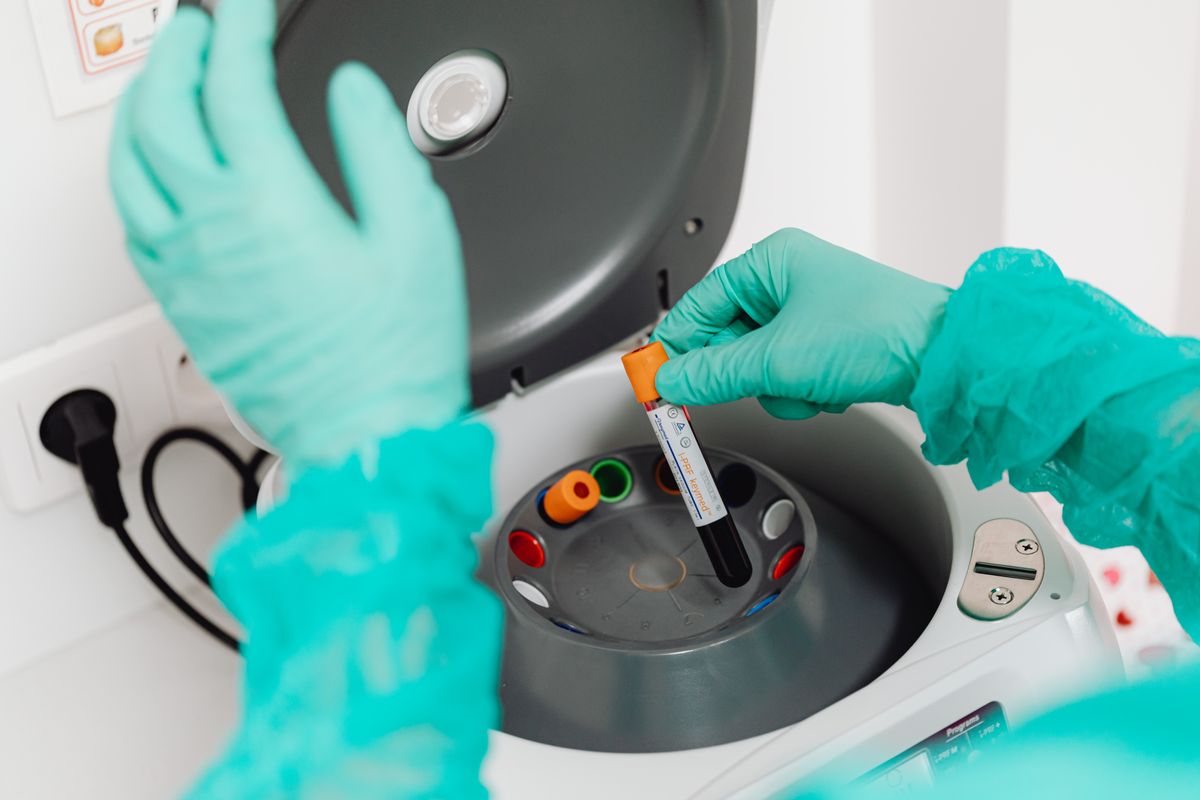
HbA1c measures the proportion of hemoglobin in your red blood cells that has glucose stuck to it. Red cells live about 120 days. So that proportion reflects your average blood glucose over roughly the last two to three months, weighted towards the most recent six weeks.
That is what makes it useful. A finger-prick glucose tells you about one moment. HbA1c tells you about a season.
The numbers that matter#
| HbA1c | Interpretation |
|---|---|
| Below 42 mmol/mol (below 6.0 percent) | Normal |
| 42 to 47 mmol/mol (6.0 to 6.4 percent) | Prediabetes, or high risk |
| 48 mmol/mol (6.5 percent) or above | Diabetes range |
One result in the diabetes range is not usually enough on its own. Unless you have clear symptoms such as thirst, frequent urination and weight loss, the diagnosis is normally confirmed with a second test.
Reference bands vary a little between laboratories. Many start the high-risk band at 39 mmol/mol, which is 5.7 percent, rather than 42. Read your result against the range printed on your own report.
The full conversion chart#
Three numbers describe the same result. HbA1c in percent, HbA1c in mmol/mol, and the estimated average glucose, often written eAG, in mg/dL and mmol/L.
| HbA1c percent | mmol/mol | Average glucose mg/dL | Average glucose mmol/L |
|---|---|---|---|
| 4.0 | 20 | 68 | 3.8 |
| 4.5 | 26 | 82 | 4.6 |
| 5.0 | 31 | 97 | 5.4 |
| 5.5 | 37 | 111 | 6.2 |
| 5.7 | 39 | 117 | 6.5 |
| 6.0 | 42 | 126 | 7.0 |
| 6.4 | 46 | 137 | 7.6 |
| 6.5 | 48 | 140 | 7.8 |
| 7.0 | 53 | 154 | 8.6 |
| 7.5 | 58 | 169 | 9.4 |
| 8.0 | 64 | 183 | 10.2 |
| 8.5 | 69 | 197 | 10.9 |
| 9.0 | 75 | 212 | 11.7 |
| 9.5 | 80 | 226 | 12.5 |
| 10.0 | 86 | 240 | 13.3 |
| 10.5 | 91 | 255 | 14.1 |
| 11.0 | 97 | 269 | 14.9 |
| 12.0 | 108 | 298 | 16.5 |
| 13.0 | 119 | 326 | 18.1 |
| 14.0 | 130 | 355 | 19.7 |
The arithmetic behind it is simple. To go from mmol/mol to percent, multiply by 0.09148 and add 2.15. To go the other way, subtract 2.15 and multiply by 10.929. Average glucose in mg/dL is 28.7 times the percent figure, minus 46.7. Divide mg/dL by 18 for mmol/L.
For values between the rows, the A1c converter does all four at once.
HbA1c or a glucose test: which answers what#
Both tests diagnose diabetes. They measure different things, and each has situations where it is the better tool.
| HbA1c | Glucose test | |
|---|---|---|
| What it measures | Average glucose over about three months | Blood sugar at that moment |
| Fasting needed | No | Yes for fasting glucose |
| Affected by last night's meal | No | Yes |
| Affected by illness or stress on the day | Very little | Yes |
| Good for tracking treatment | Yes | Only with repeated readings |
| Reliable in anemia or pregnancy | Often not | Yes |
| Detects short spikes after eating | No | Yes, if timed for it |
A fasting glucose or a glucose tolerance test is preferred when HbA1c cannot be trusted. It is also preferred in pregnancy, and when someone is unwell and needs a quick answer. HbA1c is preferred for screening, for convenience, and for following progress over time.
Neither test shows the swings. If your HbA1c looks fine but you feel shaky or exhausted after eating, the pattern in blood sugar spikes after meals is worth reading.
How fast can the number move#
This is the question people ask most, usually with a repeat test already booked.
The honest answer is eight to twelve weeks for a change to show up properly. Red cells are replaced gradually, so today's result carries months of history. Roughly half of it comes from the last four weeks, and the rest from the two months before.
That means a hard two weeks before a blood draw barely registers. It also means a bad month does not undo a good year.
With sustained changes to food, activity, weight or treatment, falls of five to fifteen mmol/mol over three months are common. Larger falls happen from very high starting points. Repeating the test sooner than three months rarely adds information, so most clinicians retest at three or six month intervals.
When HbA1c misleads#
The test assumes red cells with a normal lifespan. When that assumption breaks, the number is wrong in predictable directions.
It reads falsely low when red cells are short-lived or being replaced quickly. That includes hemolytic anemia, recent significant blood loss, a recent transfusion, pregnancy, advanced kidney or liver disease, and some sickle cell and thalassemia traits.
It reads falsely high when red cells live longer than usual. That includes untreated iron deficiency anemia, B12 or folate deficiency, and the period after the spleen is removed.
Some inherited hemoglobin variants also interfere with the laboratory method itself, in either direction. Laboratories can usually switch to a method that is not affected once a variant is known.
In all of these situations a doctor relies on fasting glucose, a glucose tolerance test, fructosamine, or continuous glucose monitoring instead. This is a common reason for two results in the same person that seem to contradict each other.
What HbA1c cannot tell you#
It is an average, and averages hide things.
HbA1c cannot show how high your glucose goes after a meal, or how low it falls overnight. Someone with frequent lows and frequent highs can produce a reassuring average. It cannot tell you which type of diabetes you have, since that needs antibody tests and the clinical picture. It cannot measure insulin resistance directly.
It also says nothing about complications on its own. Eyes, kidneys, feet and blood pressure are checked separately, and a good HbA1c does not replace those checks.
What a doctor does next#
A result in the prediabetes band usually leads to a conversation rather than a prescription. Expect a check of blood pressure, cholesterol, weight and family history, plus a repeat HbA1c in six to twelve months. Structured lifestyle programs have some of the strongest evidence in preventive medicine.
A result in the diabetes range usually triggers a confirming test, unless symptoms are clear. After that come baseline checks: kidney function, urine for protein, cholesterol, an eye screening appointment and a foot check. Treatment is discussed alongside them, and the guide to what metformin actually does explains the medicine most often raised first.
If the result does not fit the person, a good clinician questions the test before questioning the patient. Anemia and hemoglobin variants are checked, and glucose testing is used to settle it.
What actually moves the number#
Consistent changes over months, not heroic weeks.
Regular activity improves insulin sensitivity measurably, and walking after meals has surprisingly good evidence behind it. Reducing refined carbohydrate and sugary drinks lowers average glucose. Modest weight loss of five to ten percent has a large effect for people carrying weight around the middle. Sleep and stress matter more than most people expect.
If you take glucose-lowering medicines, do not adjust them yourself in response to a result. Bring the number to whoever prescribes them.
What I see most in clinic#
Two things come up again and again.
The first is the person who reads 42 mmol/mol as a diagnosis and arrives frightened. It is not a diagnosis. It is the earliest reliable point at which the direction of travel is still easy to change, and many people in that band never progress.
The second is the person disappointed by a repeat test taken six weeks after a real change in habits. Nothing was wrong with the effort. The test simply had not caught up yet. Booking the recheck at three months, rather than at six weeks, prevents a lot of unnecessary discouragement.
When to see a doctor#
Book an appointment if any of these apply.
- Your HbA1c is 48 mmol/mol (6.5 percent) or above, or has risen since the last test.
- You are in the prediabetes band and have not had a plan discussed.
- You have thirst, frequent urination, unexplained weight loss or blurred vision.
- Your result does not match how you feel, or you have anemia or a hemoglobin variant.
- You have low glucose episodes, with shaking, sweating or confusion.
Seek same-day advice for a new foot ulcer, a wound that will not heal, or a sudden change in vision.
Get emergency care for vomiting with deep rapid breathing, abdominal pain, or drowsiness in someone with diabetes.
The bottom line#
HbA1c is a three month average of your blood glucose, reported as a percentage or in mmol/mol, and convertible to an estimated average glucose. Below 42 mmol/mol (6.0 percent) is normal, and 42 to 47 is the high-risk band. From 48 (6.5 percent) upward is the diabetes range on repeat testing.
The number moves slowly, so give any change eight to twelve weeks before judging it. It is the wrong test in anemia, pregnancy and some blood conditions, where glucose testing is used instead. If your result sits in the middle band, the guide to prediabetes and insulin resistance is the natural next read.
Translate your A1c now
From your lab report to an everyday average.
If you are buying a meter
Any major-brand glucose meter is accurate enough for home tracking. The real cost is the strips, so compare strip prices before choosing the meter.
Buying through this link supports the free library with a small commission. It never changes a pick.
Have your own result?
Send the report. A doctor explains every value in writing within 3 days.
Look up another result
A result is rarely the only one on the page. Each of these gives the bands, in both unit systems, and what happens next.
- TSH number7 bands
- Typical overnight HRV by age6 bands
- Uric acid result5 bands
- Vitamin D result6 bands
- What actually happens, and how often6 bands
- What actually has evidence behind it6 bands
- What counts as a good VO2 max, by age and sex12 bands
- What counts as normal, and what does not5 bands
- What each code and line on a hospital bill8 bands
- What each thyroid antibody6 bands
- What glucose on a urine dipstick5 bands
- What is worth doing, and how often6 bands
- What melatonin does, at what dose6 bands
- What tends to be behind it6 bands
Common questions
What HbA1c is considered diabetic?
How do I convert mmol/mol to percent?
How fast can HbA1c drop?
What is the difference between HbA1c and a glucose test?
Do I need to fast for an HbA1c?
Why are there two different units?
Can HbA1c be wrong?
People also ask
Not what you were looking for?
Say what you came for and we will take you there.