Why Am I Bruising So Easily?
A doctor explains why bruises appear more easily with age, medicines and low iron, and which bruising patterns mean you need a blood test soon.

See a doctor promptly if
- Bruises appearing with no injury, especially on the trunk, or many at once
- Bruising with bleeding gums, frequent nosebleeds, or blood in urine or stool
- Sudden easy bruising with fever, drenching night sweats, or feeling very unwell
- A large, rapidly swelling, very painful bruise after a minor injury
The short version
- Most easy bruising comes from fragile skin and blood vessels, not a blood problem. Skin thins with age, sun damages it, and you forget everyday knocks.
- The commonest medical causes are medicines that thin the blood, including aspirin and some anti-inflammatories. Alcohol, steroids and some supplements also play a part.
- Get a blood count promptly if bruises appear on the trunk without injury. The same goes if they come with bleeding gums or nosebleeds, or start suddenly while you feel unwell.

Bruising easily is usually a problem with the container rather than the contents. Most people who bruise readily have perfectly normal blood. What has changed is the fragility of their small blood vessels and the padding of skin and fat around them, so ordinary knocks leak blood where they once would not.
That is why easy bruising becomes steadily more common after middle age, and why it shows up first on the forearms and shins, which take the most unnoticed contact and have the least protection.
What a bruise actually is#
A bruise is blood that has escaped from tiny vessels into the tissue underneath the skin. The color sequence, from red to purple to green to yellow, is hemoglobin being broken down and cleared over one to three weeks. Slow clearance makes old bruises linger, which many people read as new bruising when it is really old bruising fading late.
The causes worth knowing#
Age and sun damage. Long-term ultraviolet exposure thins the supportive collagen around small vessels. The classic result is flat purple patches on the backs of the hands and forearms that appear after trivial contact.
Medicines. Aspirin and other anti-inflammatories reduce platelet stickiness. Prescribed anticoagulants do so by design. Steroids, whether tablets or long-term high-dose inhalers, thin the skin. Several supplements, including fish oil, high-dose vitamin E and ginkgo, have a mild effect that adds up alongside the others.
Alcohol and liver health. The liver makes most clotting factors, so heavy alcohol use shows up as bruising well before anything else is obvious.
Nutrition. Genuine vitamin C deficiency is uncommon but still occurs in people with very restricted diets. It causes fragile vessels and bleeding around hair follicles.
Blood disorders. Low platelets and clotting disorders are the least common causes but the most important not to miss. They rarely present as a few leg bruises. They present as many bruises at once, tiny red pinpoint spots that do not fade when pressed, and bleeding elsewhere.
What a doctor will check#
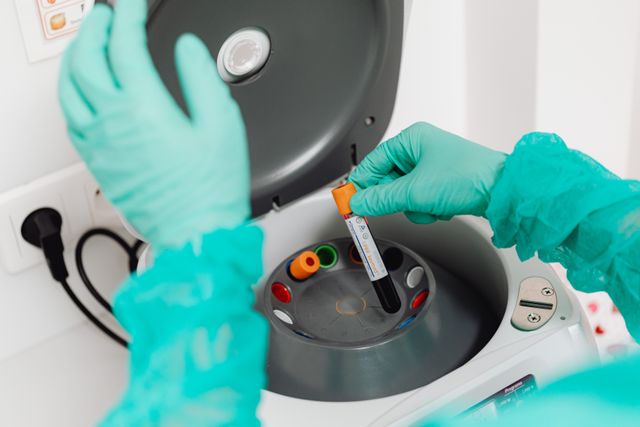
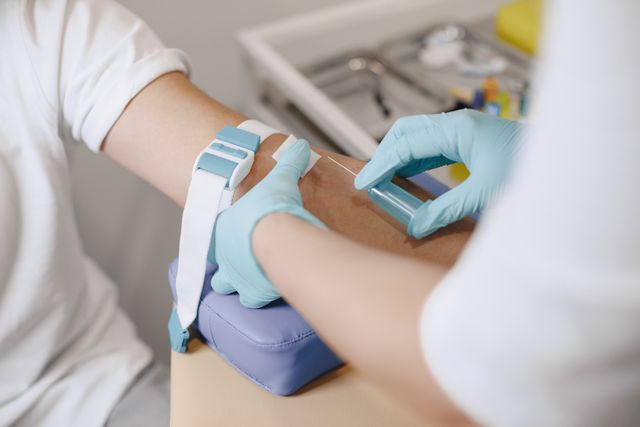
A full blood count is the single most useful test, because it shows platelet count, hemoglobin and white cells together. Depending on the story, a doctor may add clotting studies, liver function and ferritin. Unexplained bruising plus a normal full blood count is reassuring in most cases.
When to be seen quickly#
Bruises appearing with no injury at all, especially on the trunk. Pinpoint red spots that do not blanch under pressure. Bruising with bleeding gums, repeated nosebleeds, or blood in urine or stool. New easy bruising alongside fever, night sweats or feeling profoundly unwell. Any of these justify a blood count within days rather than weeks.
The wider picture#
If you are trying to make sense of a blood count that has already been done, the fuller guide to reading your blood test results explains what platelets, hemoglobin and the rest of those numbers are actually telling you.
Should this go to a doctor?
Three honest answers, a plain answer back.
Before the day you need it
Every home needs one box: bandages, sterile gauze, tape, antiseptic, tweezers, gloves. Buy it before the day you need it, because that day does not announce itself.
Buying through this link supports the free library with a small commission. It never changes a pick.
A question about your own situation?
One question, answered personally by a doctor in writing within 24 hours.
Common questions
Is easy bruising a sign of low iron?
Which everyday medicines make bruising worse?
Why are my bruises always on my legs?
People also ask
Not what you were looking for?
Say what you came for and we will take you there.