How to Help Someone With Anxiety
A doctor explains what actually helps someone with anxiety, the reassurance trap that makes it worse, and when to push for professional help.

See a doctor promptly if
- Any mention of suicide, self-harm, or not wanting to be here. Ask directly and get help the same day
- Chest pain, collapse, one-sided weakness or a first-ever episode in someone over 50. Treat as physical until assessed
- Anxiety severe enough that the person has stopped eating, sleeping or leaving the house
- Heavy alcohol or sedative use starting up as a way to cope
The short version
- The most useful thing you can do is stay calm and stay present. Let the anxiety pass, because it always does. Do not try to argue the person out of it.
- Repeated reassurance feels kind, but it usually makes anxiety worse over time. It teaches the brain that the fear was real and needed neutralizing.
- Helping someone avoid what frightens them is the most common way well-meaning families keep an anxiety disorder going.
Try the mood check2 min, free, nothing to installThe PHQ-9 and GAD-7, the two questionnaires doctors screen low mood and anxiety with, scored privately on your device.
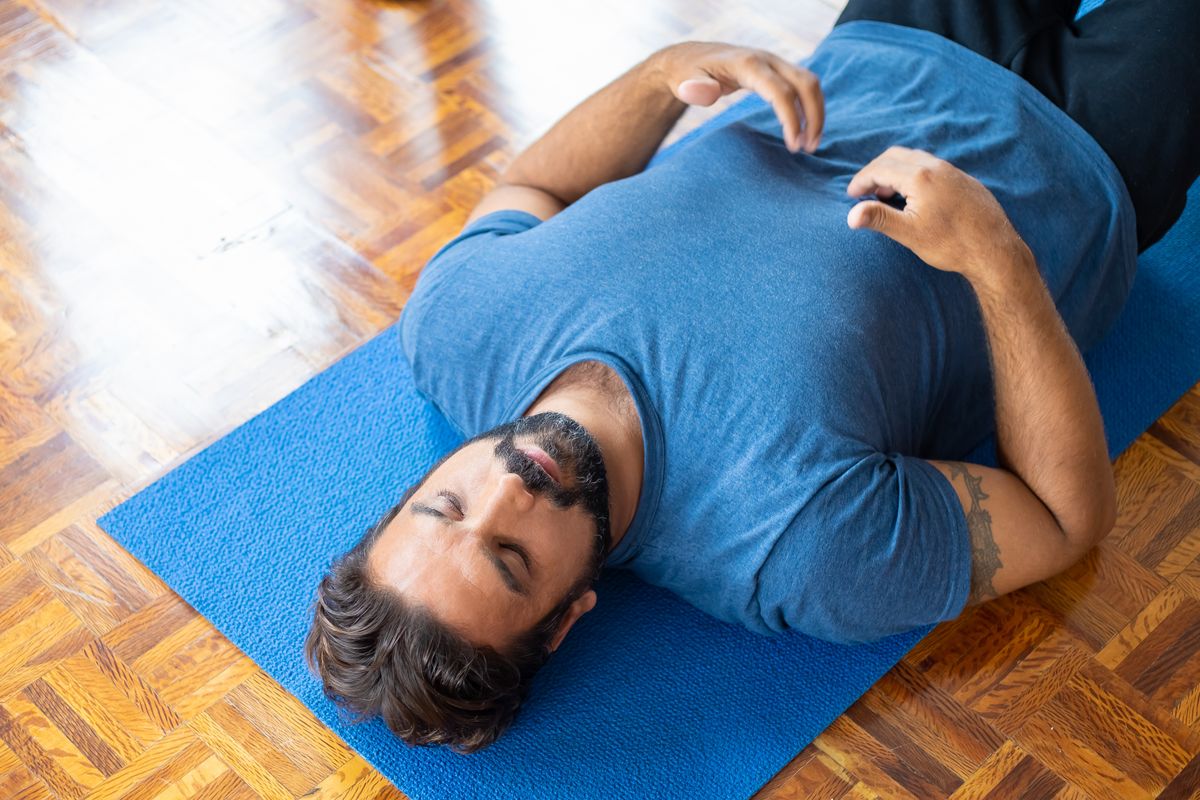
The most helpful thing you can do for an anxious person is stay steady and stay present while the wave passes, without trying to talk them out of it. Anxiety is not a reasoning error, so counter-arguments rarely land. A calm nervous system next to theirs does more than a good explanation.
The second thing is harder, because it means resisting two instincts that feel like love: endless reassurance, and helping them avoid the thing they fear.
In the moment#
Keep sentences short. Long explanations are difficult to process when someone is flooded with adrenaline.
- Name it plainly: this is anxiety, it will peak and come down.
- Slow your own breathing and let them follow. Do not coach them through a complicated technique they have never practiced.
- Reduce the input. Fewer people, less noise, somewhere they can sit.
- Do not say calm down, do not say there is nothing to worry about, and do not ask a series of questions.
- Stay until it settles. Most panic peaks within about ten minutes and eases substantially within thirty.
The reassurance trap#
This is the part almost every family gets wrong, and it is not their fault.
An anxious person asks: are you sure the door is locked, am I definitely not ill, do you think that pain is serious. You answer, they relax, and you both feel it worked. It did. For about twenty minutes. Then the doubt returns, slightly stronger, because the brain has learned that the fear was legitimate and required an external fix.
A better response acknowledges the feeling without supplying the answer again. Something like: I can see how frightening that feels, and we have already checked it. It feels colder than it is. It is what a therapist would do.
The same logic applies to avoidance. Driving them because they cannot face the bus, phoning on their behalf, canceling the plan. Each one buys peace today and makes the world one step smaller. Anxiety shrinks life through the kindness of the people around it.
What actually helps over weeks#
- Predictability. Regular sleep, meals, and daylight. Anxiety worsens sharply with sleep debt.
- Gradual re-exposure, chosen by them, in steps small enough to succeed at.
- Movement, most days. It is one of the few things that reliably reduces baseline arousal.
- Cutting caffeine, at least as an experiment. Heavy coffee or energy drink use reproduces almost every physical symptom of anxiety.
- Evidence-based therapy. Cognitive behavioral therapy and exposure-based approaches have the strongest track record. Medicines can help and are a conversation for their own doctor.
Looking after yourself#
Supporting someone anxious is really tiring, and the pattern where one person becomes the safety object for another is unsustainable. You are allowed to say that you cannot answer the same question again, and to keep your own routines. That is not abandonment. It is the thing that lets you keep going.
Where to take this next#
Much of what frightens people with anxiety is physical. The racing heart, the tight chest, the sense that something is badly wrong in the body. Understanding why anxiety produces such convincing bodily symptoms makes both of you less afraid of them, and the detailed guide to the physical symptoms of anxiety is the right place to start.
Sixty seconds of calm, right now
Box breathing: in 4, hold 4, out 4, hold 4. Follow the circle.
Before you buy anything for sleep
No gadget fixes sleep apnea. But if your score above suggests a sleep study, a simple pulse oximeter can give your doctor useful overnight numbers for under $30.
Buying through this link supports the free library with a small commission. It never changes a pick.
Something on your mind?
A psychiatrist answers one question privately, in writing, within 24 hours. Or talk it through on a 20 minute video call.
Common questions
What should I say during a panic attack?
Why is reassurance a problem if it makes them feel better?
How do I raise the idea of getting professional help?
People also ask
Not what you were looking for?
Say what you came for and we will take you there.