Why Do I Wake Up With a Headache?
A doctor explains the common reasons for morning headaches, from sleep apnea and teeth grinding to painkiller overuse, and the pattern that needs a scan.

See a doctor promptly if
- Headache present on waking every day that is getting steadily worse over weeks
- Headache worse on coughing, sneezing, straining or bending forward
- Headache with vomiting, new confusion, weakness, visual loss or seizures
- A sudden, severe headache that peaks within a minute - treat as an emergency
The short version
- Most morning headaches come from what happened during the night. Common causes are disturbed breathing, teeth grinding, alcohol, dehydration, or a painkiller wearing off.
- Obstructive sleep apnea is the cause missed most often. The giveaway is snoring, witnessed pauses in breathing, and daytime sleepiness.
- Some headaches are there on waking every day and get worse with coughing, straining or lying flat. That is a different pattern. It needs prompt assessment.
Try the symptom diary10 seconds a day, free, nothing to installThe first question in the room is when, how often and what came before it. A dated week answers all three.
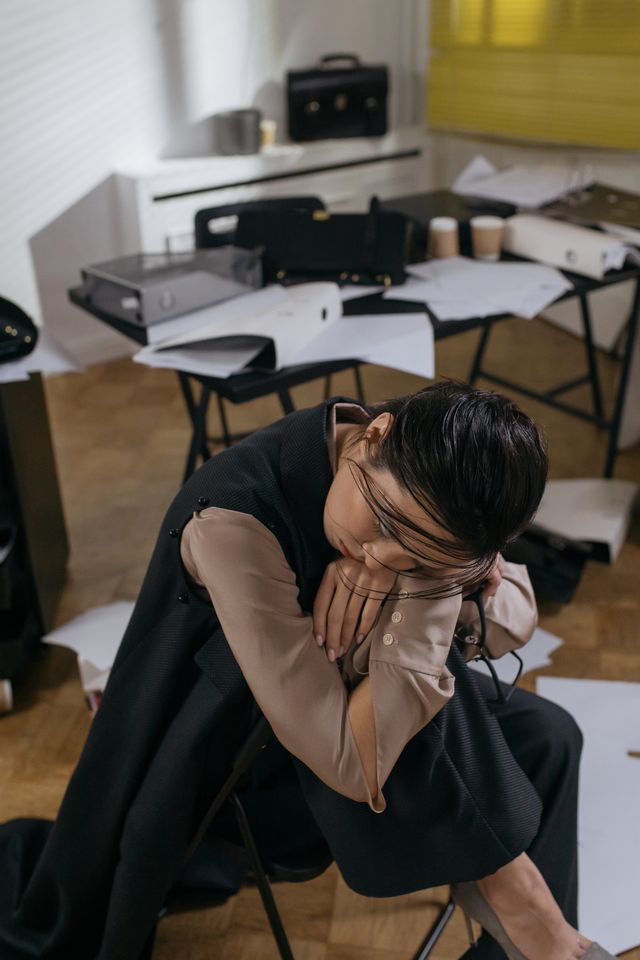
A headache that is there the moment you wake usually has its cause in the night, not the day. The four most common explanations are disturbed breathing during sleep, teeth grinding, alcohol or dehydration, and a painkiller or caffeine level falling overnight.
Occasional morning headaches are common and rarely mean anything worrying. A morning headache every single day, especially one that is slowly getting worse over weeks, is a different situation and should be assessed.
Sleep apnea: the one most often missed#
In obstructive sleep apnea the airway repeatedly narrows or closes during sleep. Oxygen dips, carbon dioxide rises, and the blood vessels in the brain dilate, which produces a dull, pressing headache across the forehead that fades within an hour or two of getting up.
The clues are loud snoring, someone reporting that you stop breathing, waking unrefreshed, and falling asleep easily in the afternoon. It is far more common in people who are overweight, have a large collar size, or have a small jaw. But it occurs in slim people too. Untreated sleep apnea also raises blood pressure and cardiovascular risk. That is why it is worth diagnosing rather than living with.
Grinding, clenching and the neck#
Bruxism, grinding or clenching the teeth in sleep, tires the jaw muscles and produces a headache felt at the temples, often with jaw ache or a clicking joint. A dentist often spots the tooth wear before the patient notices the habit.
Neck-driven headaches follow a different pattern: one-sided, starting at the base of the skull, worse after a poor sleeping position or a long day at a badly arranged desk.
Chemistry overnight#
Alcohol disrupts sleep architecture and dehydrates. Caffeine withdrawal produces a genuine headache roughly twelve to sixteen hours after the last dose, which lands precisely at waking for heavy afternoon coffee drinkers. And short-acting painkillers taken daily can rebound overnight, producing medication overuse headache, which is one of the most common causes of daily morning headache worldwide.
Practical steps that are reasonable to try#
Keep a two-week diary: bedtime, alcohol, caffeine timing, painkillers taken, and headache severity on waking. Move caffeine to before midday. Keep sleep and wake times consistent, including weekends, since migraine responds strongly to routine. Ask a partner to listen for snoring or breathing pauses, or record a night on a phone.
When to seek assessment#
See a doctor promptly for a morning headache that is worsening week on week, that is worse on coughing, straining or bending forward, or that comes with vomiting, visual change, weakness or confusion. A sudden headache reaching maximum intensity within a minute is an emergency and needs immediate care.
The wider picture#
For the full map of headache types, what distinguishes them, and which ones really need imaging, the in-depth guide to headaches and when to worry is the natural next read.
Should this go to a doctor?
Three honest answers, a plain answer back.
Before you buy anything for sleep
No gadget fixes sleep apnea. But if your score above suggests a sleep study, a simple pulse oximeter can give your doctor useful overnight numbers for under $30.
Buying through this link supports the free library with a small commission. It never changes a pick.
A question about your own situation?
One question, answered personally by a doctor in writing within 24 hours.
Common questions
Can painkillers themselves cause morning headaches?
Why do migraines so often start in the early morning?
Does my pillow or sleeping position matter?
Not what you were looking for?
Say what you came for and we will take you there.