What Every Workplace First-Aid Box Should Have
An occupational doctor sets out what belongs in a workplace first-aid kit, what the law expects, and the hazard-specific additions most sites forget.

See a doctor promptly if
- Any injury with heavy bleeding that does not stop with firm direct pressure: call emergency services and keep pressing
- Chemical splash to the eye. Irrigate immediately for at least 15 minutes and get medical assessment, do not wait to identify the chemical first
- Collapse in a hot environment with confusion or strange behavior. A medical emergency; start cooling while help is called
- Any electric shock, crush injury, or fall from height, even if the person feels fine afterwards
The short version
- A compliant first-aid box is the easy part. What makes a site safe is trained first aiders and kit within reach of the hazard. It also takes a monthly check that things are still in date.
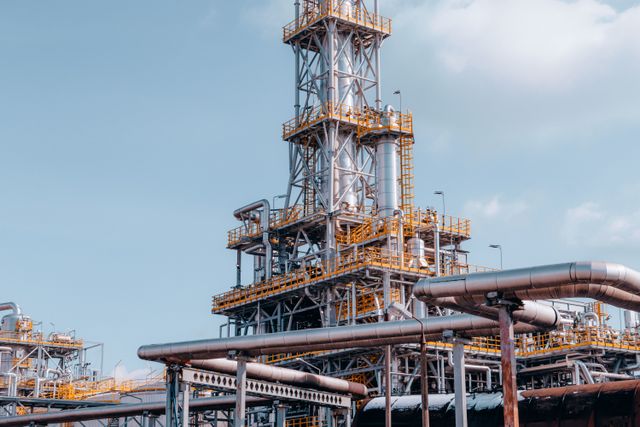
- The contents should come from your risk assessment. A warehouse needs different equipment from a machine shop, a chemical plant or a hot outdoor site.
- Eyewash, burns cover, a defibrillator and a way to cool someone fast in heat illness. These four are the additions most often missing where they are really needed.
A workplace first-aid box should contain enough to control bleeding, cover wounds and burns, protect the rescuer, and buy time until help arrives. It should be chosen from your own risk assessment rather than copied from a catalogue. The regulations in most countries deliberately avoid a fixed list, because a call center and a foundry do not need the same equipment.
What follows is the baseline, then the additions that matter by hazard.
The baseline kit#
- A guidance leaflet on basic first aid
- Individually wrapped sterile dressings in several sizes, including at least one large sterile pad
- Sterile eye pads
- Triangular bandages, individually wrapped
- Safety pins and adhesive tape
- Assorted individually wrapped adhesive bandages, blue and detectable in food areas
- Conforming bandages
- Disposable nitrile gloves, several pairs
- A resuscitation face shield or pocket mask
- Sterile saline pods or eye irrigation, where clean running water is not immediately available
- Foil blanket, scissors, and a clinical waste bag
Kit size scales with headcount and risk. UK kits are often specified as small, medium or large under BS 8599-1; US kits are often specified against ANSI Z308.1 as Class A for common injuries and Class B for higher-risk environments.
Additions your risk assessment should drive#
| Hazard on site | What the kit needs beyond baseline |
|---|---|
| Corrosives, solvents, chemicals | Plumbed emergency eyewash and drench shower, reachable within about 10 seconds of the hazard, delivering flushing fluid for a full 15 minutes |
| Hot work, molten metal, steam | Sterile burns dressings, cling film, and cool running water access |
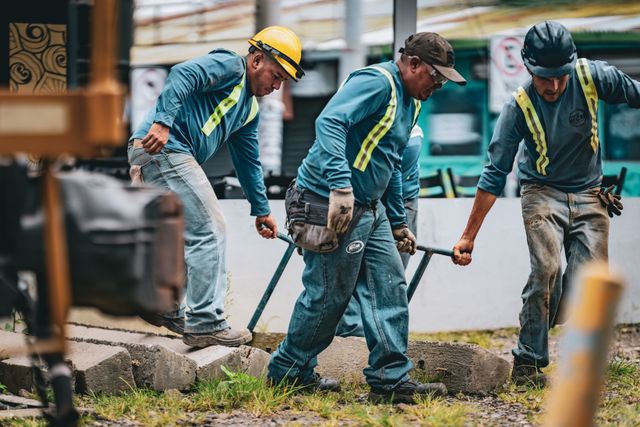
| Machinery, blades, high-energy tools | Trauma kit with hemostatic dressing and a windlass tourniquet, and staff trained to use them |
| Outdoor or hot indoor work | Shaded rest point, ice, and a means of rapid whole-body cooling |
| Remote or lone working | Personal kit, means of raising the alarm, and a defined casualty extraction plan |
| Any site over a certain size or with public access | An automated external defibrillator, signed and mapped |
The things that fail in practice#
The box is almost never the problem. The recurring failures I see on site are these.
Distance. A perfect kit three buildings away from the press shop is not first aid, it is a walk.
Signage. If a new contractor cannot find the kit, the AED and the nearest first aider in under a minute, the system does not work.
Currency of training. Certificates expire, usually every three years, and skills fade faster than that. Short annual refreshers keep them usable.
Reporting. Every use of the kit should generate an accident book entry. That record is what identifies the machine that keeps cutting people, and it is what protects the worker later.
Shift cover. Most sites have good day cover and almost none at 3am, which is when tiredness makes injuries more likely.
Where to take this next#
Heat illness is the emergency that first-aid boxes are least often prepared for, and the one where the first ten minutes decide the outcome. The full guide to heat stress and hydration at work explains recognition, the cooling that actually works, and the controls that stop it happening.
Should this go to a doctor?
Three honest answers, a plain answer back.
Before the day you need it
Every home needs one box: bandages, sterile gauze, tape, antiseptic, tweezers, gloves. Buy it before the day you need it, because that day does not announce itself.
Buying through this link supports the free library with a small commission. It never changes a pick.
A question about your own situation?
One question, answered personally by a doctor in writing within 24 hours.
Common questions
How many trained first aiders does a workplace need?
Are painkillers allowed in the first-aid box?
How often should kits be checked?
People also ask
Not what you were looking for?
Say what you came for and we will take you there.