How to Sleep After a Night Shift
An occupational doctor explains how to actually sleep in the daytime after nights: light control, timing, caffeine cut-offs and the drive home.

See a doctor promptly if
- Falling asleep at the wheel, drifting across lanes, or arriving home with no memory of the journey. Stop driving after nights and arrange another way home
- Loud snoring with witnessed pauses in breathing, or waking unrefreshed however long you sleep
- Persistent low mood, or using alcohol to get to sleep after shifts
The short version
- Daytime sleep fails mostly because of light and noise, not willpower. A very dark, cool, quiet room is worth more than any supplement.
- Wear dark sunglasses on the way home. Stop caffeine at least six hours before you plan to sleep. Get into bed within about two hours of finishing.
- Aim for seven to nine hours across each 24 hours. Split it into a main sleep plus a nap before your shift if one block is not possible.
Check your sleep2 min, free, nothing to install

Daytime sleep after a night shift fails for two mechanical reasons: light reaching your eyes on the way home tells your body clock to wake up, and a normal house at 9am is far too bright and noisy for the brain to hold sleep. Fix the light and the noise and most people gain one to two hours of sleep, without changing anything else.
The target is seven to nine hours of sleep in every 24 hours. It does not all have to be in one block.
The journey home is part of the sleep#
Morning daylight is the strongest possible signal to stop producing melatonin. If you drive home into the sun with no protection, you have effectively taken a stimulant.
- Wear wraparound dark sunglasses from the moment you step outside until you are indoors.
- Keep the trip short and do not run errands, do not do the shopping, do not sit in a bright cafe.
- Get into bed within about two hours of finishing, while sleep pressure is still high.
The room, in order of importance#
Darkness. Aim for a room where you cannot see your own hand. Blackout blinds plus a well-fitted eye mask. Tape over standby LEDs. This is the single highest-value change.
Noise. Earplugs rated around 25 to 33 dB, or a fan or white noise to mask doorbells, traffic and children. Put the phone on do-not-disturb with an exception for genuine emergencies only.
Temperature. Cool: roughly 17 to 19 degrees Celsius. Core body temperature rises through the morning, which works against you. A cool room offsets it.
A household agreement. A sign on the door, no deliveries, and family who understand that this sleep is not a nap.
Caffeine, alcohol and food#
Caffeine has a half-life of around five hours, so a coffee at 5am is still half present at 10am. Use it deliberately early in the shift and stop at least six hours before your planned sleep. Energy drinks at 4am are the most common reason a worker tells me they cannot sleep at 8am.
Alcohol is the other trap. It shortens the time to fall asleep and then fragments the second half of sleep badly. Using it as a sleep aid after nights reliably makes daytime sleep worse within a two weeks.
Eat a light meal after the shift rather than a heavy one. Large meals during the biological night are also linked with reflux and worse metabolic markers over time.
Napping deliberately#
A planned nap of 20 to 30 minutes before the shift, or during a scheduled break where the employer permits it, improves alertness and reaction time measurably. Keep it short to avoid waking from deep sleep groggy, and allow fifteen minutes to clear that grogginess before safety-critical work.
What a workplace should be doing#
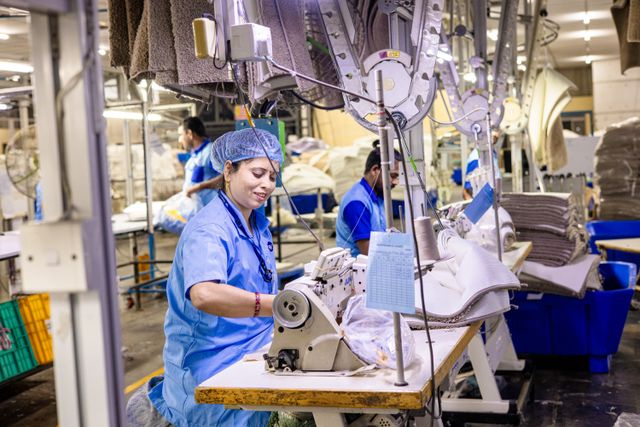
Rotas that rotate forward, mornings, then afternoons, then nights, are tolerated better than backward rotation. Runs of no more than three or four consecutive nights, at least 11 hours between shifts, a proper break area with a real chance to rest, controlled bright lighting on the shop floor, and a fatigue-reporting route that does not cost someone their reputation.
Where to take this next#
Sleep is the most fixable part of shift work, but not the whole of it. The wider guide to shift work and your health covers the metabolic, cardiovascular and mental health effects, and what really reduces them over a career.
Give your sleep a quick check
Three answers, honest ones.
For light sleepers
Foam earplugs or a steady white noise machine fix more nights than most sleep aids, and cost almost nothing. Worth trying before anything stronger.
Buying through this link supports the free library with a small commission. It never changes a pick.
A question about your own situation?
One question, answered personally by a doctor in writing within 24 hours.
Common questions
Is it better to sleep straight after the shift or later in the day?
Can I catch up on days off?
Does melatonin help night workers?
People also ask
Not what you were looking for?
Say what you came for and we will take you there.