How Much Protein Do You Actually Need?
A doctor explains the real protein numbers: the minimum, the amount that helps with training, aging and weight loss, and whether high protein harms kidneys.

See a doctor promptly if
- Unintentional weight loss with visible muscle loss, or new difficulty rising from a chair or climbing stairs
- Swelling of the legs or face with frothy urine. This needs kidney assessment before changing diet
- Known chronic kidney disease or liver disease. Do not increase protein without medical advice
The short version
- The population minimum is about 0.8 grams of protein per kilogram of body weight per day. That is enough to avoid deficiency. It is not the amount most people do best on.
- Adults over 65 do better at around 1.0 to 1.2 g/kg. People training with weights do better at 1.4 to 1.6 g/kg. People losing weight need roughly 1.2 to 1.6 g/kg to protect muscle.
- In people with healthy kidneys, higher protein intakes have not been shown to cause kidney damage. In kidney disease that is already diagnosed, a clinician should set the protein intake.
See your own numbers2 min, free, nothing to installProtein in grams for your weight, and a week built round what you already eat.

The baseline requirement for a healthy adult is about 0.8 grams of protein per kilogram of body weight per day. Roughly 56 grams for a 70 kg person. That figure is the amount that prevents deficiency in almost everyone, which is a different question from the amount at which people function best, and for older adults, people losing weight and people training, the useful target is higher.
Most people in high and middle income countries already exceed 0.8 g/kg without trying. The gaps I see are in older adults, in people eating very little while dieting, and in shift workers living on snacks.
The numbers, by situation#
| Who | Reasonable daily target |
|---|---|
| Healthy sedentary adult | 0.8 to 1.0 g per kg body weight |
| Adult over 65 | 1.0 to 1.2 g per kg |
| Regular resistance training | 1.4 to 1.6 g per kg, with little extra benefit beyond about 2.0 |
| Actively losing weight | 1.2 to 1.6 g per kg, to protect muscle |
| Recovering from surgery or serious illness | Often higher, set individually by a clinician |
| Chronic kidney disease | Set by your kidney team, often lower |
For very overweight people, calculating on total body weight overshoots. Using a target based on a healthier reference weight, or on lean body mass, is more sensible.
What that looks like as food#
- 100 g cooked chicken breast: about 30 g protein
- 100 g cooked lean beef or lamb: about 26 g
- 150 g cooked fish: about 30 g
- Two eggs: about 12 g
- 170 g Greek yoghurt: about 15 to 17 g
- 100 g paneer: about 18 g; 100 g firm tofu: about 12 to 16 g
- 200 g cooked lentils or chickpeas: about 15 to 18 g
- 250 ml milk: about 8 g
- 30 g mixed nuts: about 6 g
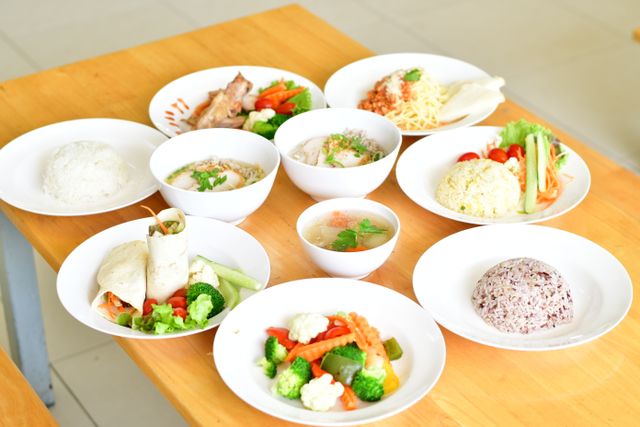
Three meals each carrying 25 to 35 grams gets most adults where they need to be without any powder.
Why the higher targets exist#
Two reasons, and neither is bodybuilding.
Sarcopenia. Muscle mass falls by roughly 3 to 8 percent per decade after 30, and faster after 60. Older muscle is also less responsive to protein, so it takes a bigger meal-sized dose to trigger the same building response. Protein alone will not fix it, resistance training is the other half, but low protein makes it certain.
Weight loss. When you eat in a deficit, some of the lost weight is muscle. Higher protein, combined with resistance training, shifts more of the loss to fat and helps with fullness, since protein is the most satiating macronutrient.
What is oversold#
Protein powders are convenient, not superior. Whey is a useful way to add 20 to 25 grams when appetite or time is short, and nothing more than that. Collagen supplements are not a good general protein source, being low in some essential amino acids. Very high intakes beyond about 2 g/kg have not been shown to add anything for most people. They crowd out fiber-rich foods that matter for other reasons.
Where to take this next#
Protein is one lever among several, and it works best when the rest of the eating pattern makes sense. The full guide on weight, metabolism and why diets fail explains why appetite, sleep and metabolic adaptation matter more than the macro split.
Should this go to a doctor?
Three honest answers, a plain answer back.
Not magic, just convenient
Useful when your plan calls for more protein than your meals reach, especially for older adults protecting muscle. Whey or a plant blend both work; unflavored mixes into anything.
Buying through this link supports the free library with a small commission. It never changes a pick.
Want this built around you?
A doctor and a certified coach write a diet and fitness plan checked against your conditions and medicines.
Common questions
Does high protein damage the kidneys?
Do I need to spread protein through the day?
Is plant protein as good as animal protein?
People also ask
Not what you were looking for?
Say what you came for and we will take you there.